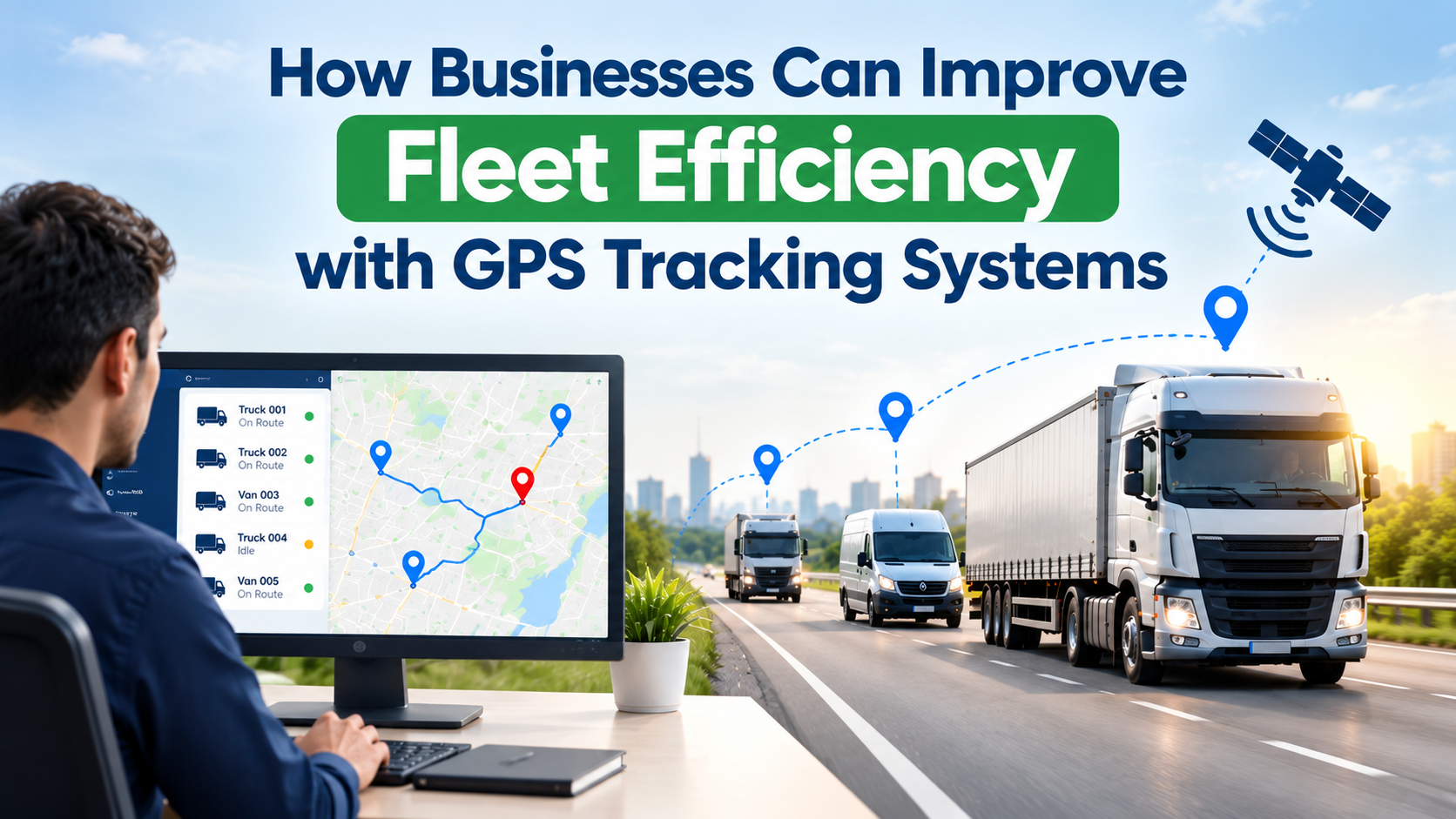
How Businesses Can Improve Fleet Efficiency with GPS Tracking Systems
Fleet management is an important part of running a business that depends on transportation, delivery, logistics, or field operations. Whether a company manages a few delivery vehicles or a large fleet of commercial trucks, keeping track of vehicle locations, fuel consumption, driver activities, and delivery schedules can be challenging. Without accurate information, businesses may experience unnecessary delays, increased operating costs, and difficulties coordinating daily operations.
Modern tracking technology helps businesses overcome these challenges by providing real-time vehicle information and useful operational data. A GPS tracking system allows fleet managers to monitor vehicle locations, review routes, identify delays, and make better decisions about vehicle utilization. When used effectively, this technology can improve productivity, support driver safety, and help businesses manage transportation expenses more efficiently.
Understanding how GPS tracking works and how it can be integrated into everyday operations enables businesses to get more value from their vehicles while maintaining reliable service for customers.
Understanding GPS Tracking Systems for Fleet Management
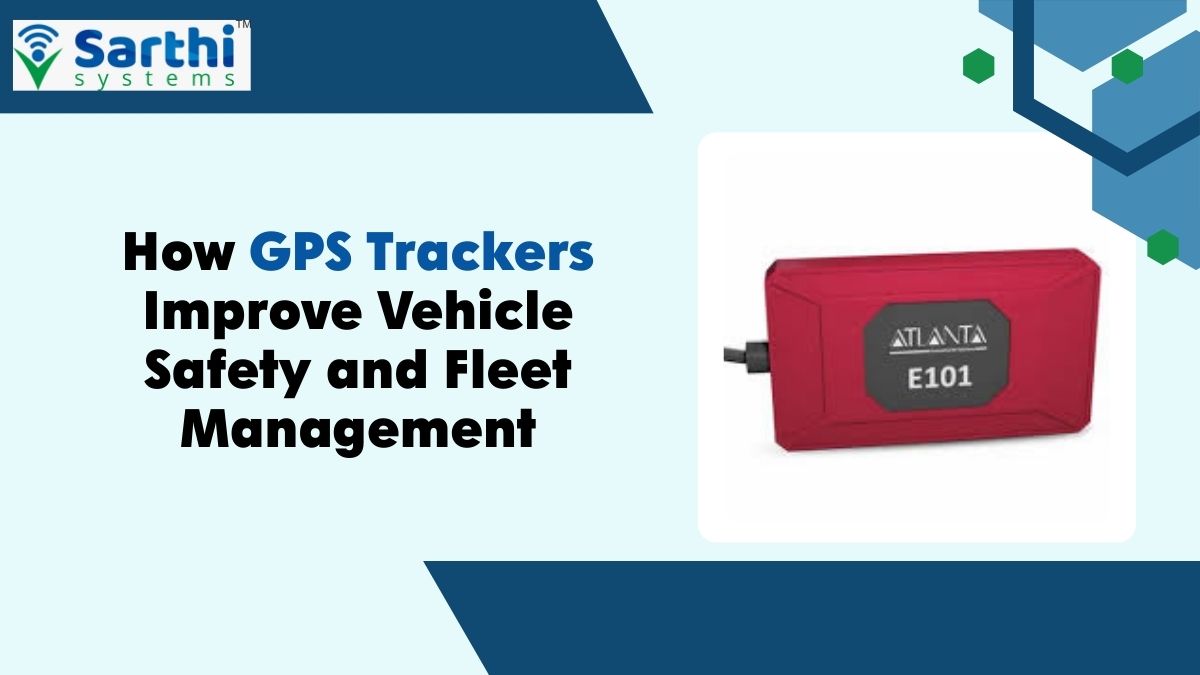
A GPS tracking system uses signals from Global Positioning System satellites to determine the location of a vehicle or another tracked asset. Depending on the equipment and service, location information can be transmitted through cellular networks or other communication technologies to a software platform where authorized users can view tracking information.
Fleet managers can access this information through computers, tablets, or smartphones, depending on the provider's platform. Some systems also offer historical route records, vehicle movement alerts, idle-time reports, and additional monitoring features.
A GPS System for Vehicle monitoring can help businesses understand where their vehicles are operating and how efficiently they are being used. Instead of depending entirely on phone calls or manual updates from drivers, managers can use tracking information to coordinate transportation activities more effectively.
The available features vary by device and service provider, so businesses should select a system that matches their operational requirements.
1. Improve Real-Time Vehicle Visibility
Knowing the location of every active vehicle helps fleet managers coordinate operations with greater accuracy. Without a tracking system, managers may need to contact drivers individually to determine their locations or estimate their arrival times.
GPS tracking makes this process easier by displaying vehicle positions on a digital map. Managers can check whether a vehicle is moving, stopped, or following its planned route, depending on the features supported by the system.
For example, a distribution company managing several delivery vehicles can use live location information to identify which vehicle is closest to a customer. This makes it easier to assign urgent deliveries and respond to unexpected changes in demand.
Businesses searching for a GPS tracking System in jaipur can evaluate solutions that provide reliable location updates, convenient reporting, and a suitable interface for their fleet size.
Improved visibility supports better coordination between drivers, dispatch teams, and customers while reducing the time spent collecting vehicle status updates manually.
2. Optimize Routes and Reduce Travel Time
Poor route planning can increase fuel expenses, delay deliveries, and reduce the number of trips a vehicle can complete during the working day. Traffic congestion, road closures, unnecessary detours, and poorly planned delivery sequences can all affect fleet productivity.
GPS tracking data helps managers review the routes vehicles actually take and compare them with planned journeys. This information can highlight repeated delays, inefficient travel patterns, or unnecessary distance covered during regular operations.
When combined with mapping and route-planning tools, GPS information can help businesses select more suitable routes and arrange deliveries in a practical sequence.
For example, a courier company serving multiple locations can organize nearby deliveries together rather than sending vehicles across the same area repeatedly. This can help reduce unnecessary travel and improve delivery scheduling.
However, GPS tracking alone does not automatically calculate the best route in every system. Businesses should check whether their selected solution includes live traffic information, route optimization, and navigation features if these capabilities are important to their operations.
3. Monitor Fuel Consumption and Control Costs
Fuel is one of the major operating expenses for many transportation businesses. Excessive idling, inefficient routes, aggressive driving, and unnecessary vehicle movement can contribute to higher fuel consumption.
GPS tracking systems can help identify some of these issues by recording vehicle movement, travel distance, stops, and idle time. Fleet managers can use this information to investigate unusual patterns and introduce practical improvements.
For example, if a vehicle regularly remains stationary with its engine running for extended periods, the business can review the reasons and establish suitable idling guidelines. Similarly, repeated deviations from planned routes may indicate the need for better scheduling or additional driver training.
Businesses can also compare vehicle utilization and distance records with fuel purchase information to identify discrepancies that require further investigation.
The exact level of fuel monitoring depends on the tracking device and its connection to the vehicle. Advanced fuel-level monitoring may require compatible sensors or additional equipment rather than a standard GPS tracker.
4. Encourage Safer Driving Practices
Driver safety is essential for protecting employees, vehicles, cargo, and other road users. Unsafe driving can increase accident risks, vehicle maintenance expenses, insurance costs, and delivery disruptions.
Some GPS tracking solutions include driving-behaviour reports that identify events such as speeding, harsh acceleration, sudden braking, or sharp cornering. These features depend on the device's sensors, configuration, and software capabilities.
Fleet managers can use relevant reports to identify recurring patterns and provide constructive feedback to drivers. Regular training, realistic schedules, and clear safety policies can further support responsible driving.
For example, a company may discover that drivers frequently exceed speed limits when attempting to meet unrealistic delivery deadlines. Adjusting schedules and reinforcing safe driving practices may help address the underlying problem.
Tracking information should be used fairly and transparently. Businesses should inform drivers about monitoring practices, follow applicable privacy requirements, and avoid relying on individual tracking events without considering the circumstances.
5. Reduce Vehicle Downtime Through Better Maintenance Planning
Unexpected vehicle breakdowns can interrupt deliveries, increase repair expenses, and affect customer satisfaction. Regular maintenance helps reduce these risks, but keeping track of service schedules across a large fleet can be difficult.
GPS tracking systems that record distance travelled or operating hours can help businesses estimate when vehicles may require scheduled maintenance. Fleet managers can use these records alongside service histories, manufacturer recommendations, and inspection reports to plan maintenance more effectively.
For example, a transport company can review mileage records to identify vehicles approaching their next scheduled service. Arranging maintenance in advance may reduce the likelihood of avoidable disruptions.
Some advanced fleet platforms also integrate with vehicle diagnostic systems to provide information about engine faults or other mechanical conditions. These capabilities are not available with every GPS tracking device.
Combining tracking data with a structured maintenance process helps businesses improve vehicle availability and make more informed decisions about repairs and replacement planning.
6. Improve Delivery Scheduling and Customer Service
Customers increasingly expect accurate delivery information and timely service. Delays without clear communication can create frustration, particularly for businesses handling e-commerce orders, industrial supplies, or time-sensitive shipments.
GPS tracking helps dispatch teams estimate vehicle arrival times using available location information and, where supported, traffic data. Managers can communicate changes to customers and reorganize deliveries when unexpected delays occur.
For instance, if a delivery vehicle encounters a road closure, the operations team may be able to arrange an alternative route or notify the customer about a revised arrival time.
Historical tracking reports can also help businesses identify locations where deliveries frequently take longer than expected. This information can improve future scheduling and make delivery commitments more realistic.
Businesses should confirm whether customer-facing tracking links, automated notifications, or estimated arrival times are included in the selected platform, as these are not standard features of every GPS tracking system.
7. Make Better Decisions Using Fleet Reports
Fleet management involves more than knowing where vehicles are located. Businesses also need to understand how vehicles are being used, which routes are productive, and where operational improvements are possible.
GPS tracking platforms may provide reports covering:
- Total distance travelled by each vehicle.
- Vehicle movement and stop durations.
- Idle time and route deviations.
- Trip histories and delivery schedules.
- Vehicle utilization across different periods.
Managers can review these reports to compare operational performance and identify opportunities for improvement.
For example, if certain vehicles consistently cover more distance than others while completing a similar number of deliveries, the company can investigate route assignments, vehicle capacity, scheduling practices, and local traffic conditions.
These reports are most useful when reviewed regularly and combined with other business information, including fuel expenses, maintenance costs, delivery completion rates, and customer feedback.
8. Choose the Right GPS Tracking Solution
Selecting an appropriate tracking system requires an understanding of the business's fleet size, operating conditions, and monitoring requirements. A small service company may need basic location tracking, while a logistics provider may require advanced reporting, route planning, and integration with existing fleet software.
Before purchasing a system, businesses should evaluate the following factors:
Real-time tracking: Check the frequency and reliability of location updates.
Mobile and desktop access: Ensure authorized staff can view information conveniently from their preferred devices.
Reporting features: Confirm that the system records the information needed to evaluate fleet performance.
Alerts and notifications: Determine whether the platform supports relevant alerts for speeding, route deviations, or unauthorized vehicle movement.
Network coverage: Review connectivity requirements in the areas where vehicles operate.
Installation and compatibility: Check whether the device suits the vehicle types in the fleet.
Data security and support: Ask about account access controls, data protection practices, technical support, and service availability.
Businesses looking for a GPS tracking System in jaipur should compare providers based on these practical requirements rather than choosing a product based on price alone.
Working with an experienced technology provider can also help businesses understand installation requirements, available features, and ongoing support arrangements.
9. The Role of Technology Providers in Fleet Security
Fleet monitoring can form part of a broader vehicle security strategy. Depending on the equipment selected, tracking systems may support location monitoring, movement alerts, route history, and assistance in locating a vehicle after unauthorized use or suspected theft.
Companies working with an Electronic Security Solutions provider should confirm that the recommended equipment meets their operational and security needs.
It is important to distinguish between location tracking and other security functions. A basic GPS tracker does not necessarily immobilize a vehicle, prevent theft, record video, or provide emergency response services. Such capabilities may require separate hardware, compatible software, or additional service arrangements.
Businesses should also establish clear procedures for responding to tracking alerts, protecting access credentials, and handling location data responsibly.
A well-planned solution combines appropriate technology with staff training, vehicle maintenance, and documented operating policies.
Conclusion
GPS tracking systems can help businesses improve fleet efficiency by providing better vehicle visibility, supporting route planning, identifying unnecessary idle time, encouraging safer driving, and improving maintenance scheduling. These benefits can contribute to more organized transportation operations and better customer service.
However, the results depend on selecting suitable equipment, using accurate information, and taking action based on the insights provided. Businesses should identify their most important fleet challenges before choosing a solution and evaluate its features, reliability, compatibility, and support services.
With the right approach, GPS tracking becomes a practical tool for managing vehicles more effectively, controlling avoidable expenses, and supporting long-term business growth.
Frequently Asked Questions
1. What is a GPS tracking system?
A GPS tracking system uses satellite positioning and compatible communication technology to determine and report the location of a vehicle or asset. Depending on its features, it may also provide route histories, movement alerts, and fleet performance reports.
2. How does a GPS tracking system improve fleet efficiency?
It helps businesses monitor vehicle locations, review routes, identify excessive idle time, coordinate deliveries, and analyze vehicle utilization. Managers can use these insights to improve scheduling and reduce avoidable operating expenses.
3. Can a GPS tracking system help reduce fuel costs?
Yes. Tracking data can reveal unnecessary travel, prolonged idling, and inefficient routes. Addressing these issues may reduce fuel consumption, although actual savings depend on driving conditions, vehicle types, and how the information is used.
4. Is a GPS system for vehicle monitoring suitable for small businesses?
Yes. Small businesses that manage delivery vehicles, service vans, or field staff can benefit from vehicle location monitoring and trip records. They should choose a system that offers the necessary features without paying for unnecessary functionality.
5. What features should businesses look for in a GPS tracking system?
Important features may include real-time location updates, trip history, route monitoring, customizable alerts, mobile access, reporting tools, and reliable technical support. Advanced requirements may include fuel sensors or vehicle diagnostic integration.