How Biometric Finger Scanners Support Smarter Employee Time Management
Managing employee attendance is an important part of running an organised and productive workplace. Businesses need an accurate way to record working hours, monitor punctuality, manage shifts, and maintain reliable attendance records. Traditional attendance registers and manual time-tracking methods can create challenges such as calculation errors, proxy attendance, misplaced records, and unnecessary administrative work.
With advancements in biometric technology, organisations are increasingly adopting fingerprint-based attendance systems to simplify workforce management. These systems use an individual's unique fingerprint patterns to verify identity and record attendance. They offer a convenient way to track employee entry and exit times while improving transparency and accountability.
A modern finger biometric attendance machine can help businesses manage attendance more efficiently by reducing manual processes and providing organised digital records. Along with fingerprint verification, technologies such as facial recognition and integrated access control are also changing how organisations manage workplace security and employee movement.
Understanding Biometric Finger Scanners
Biometric finger scanners are electronic devices that identify individuals through the unique patterns present on their fingerprints. Every person's fingerprint contains distinctive ridge patterns that can be used for identity verification.
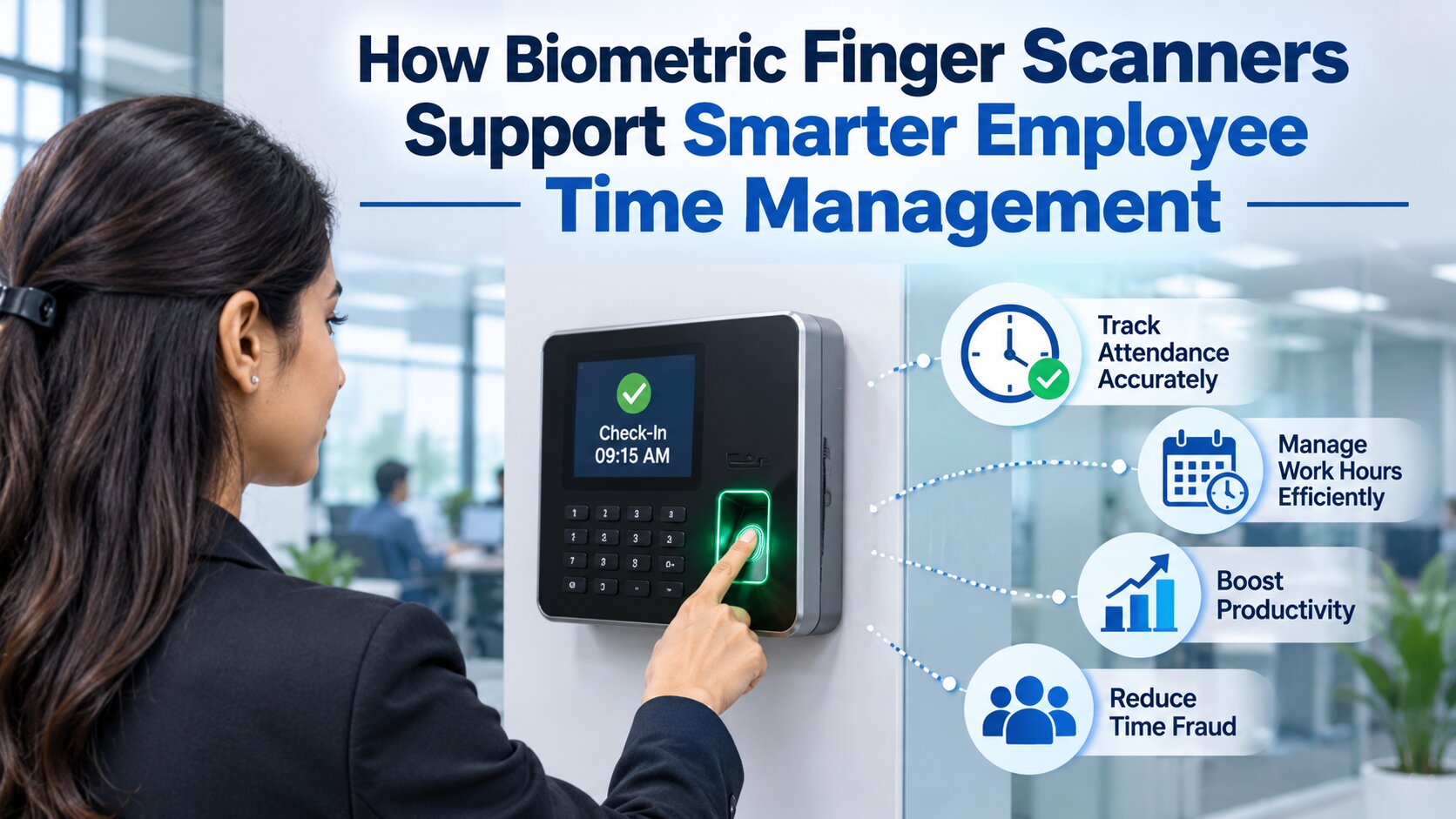
During registration, an employee places their finger on the scanner. The device captures fingerprint information and converts it into a digital template. This template is stored in the system and used for future verification.
Whenever an employee scans their finger, the device compares the newly captured information with the registered template. If the information matches, the system confirms the employee's identity and records the attendance event.
This process helps organisations maintain individual attendance records without depending on identity cards, signatures, or manual registers.
How Fingerprint Scanners Improve Employee Time Management
Biometric attendance technology supports several important aspects of workforce management. Its benefits extend beyond simply recording when employees arrive and leave.
1. Accurate Attendance Recording
Manual attendance systems depend on employees or supervisors entering information correctly. Errors can occur while recording arrival times, departure times, or working hours.
Fingerprint scanners automatically record attendance after successful identity verification. This reduces the possibility of incorrect entries and provides a consistent method of tracking employee working hours.
Accurate records also help HR departments review attendance information and prepare monthly reports more efficiently.
2. Reducing Proxy Attendance
Proxy attendance occurs when one employee records attendance on behalf of another person. This can create problems for businesses because attendance records may not reflect actual employee presence.
Fingerprint verification makes this practice more difficult because employees must provide their own registered biometric information to record attendance.
As a result, organisations can improve attendance transparency and maintain greater accountability among their workforce.
3. Better Management of Employee Working Hours
Tracking employee working hours is essential for calculating overtime, monitoring late arrivals, and managing shift schedules.
Biometric devices record entry and exit times digitally, allowing authorised administrators to review attendance information whenever required.
These records can help businesses identify repeated delays, monitor working patterns, and make better decisions about workforce scheduling.
4. Saving Administrative Time
Maintaining paper registers and calculating employee working hours manually can require considerable effort from HR personnel.
Automated attendance systems reduce repetitive administrative tasks by recording and organising information electronically.
Depending on the device and software, attendance reports can be generated for individual employees, departments, or selected date ranges. This allows HR teams to spend more time on important responsibilities rather than routine attendance calculations.
Important Features of Modern Finger Biometric Attendance Machines
Before selecting an attendance device, organisations should understand the features that influence its performance and suitability.
Fingerprint Recognition: The primary function is to identify registered users through fingerprint verification. Recognition accuracy and response time are important considerations.
User Storage Capacity: Different organisations have different employee strengths. A suitable device should support the number of users required by the business.
Attendance Data Storage: Internal memory helps maintain attendance records. Businesses should consider storage capacity and data backup options.
Connectivity Options: USB, TCP/IP, Wi-Fi, or other supported connectivity features can help transfer attendance information to management software.
Reporting and Software Integration: Compatible software makes it easier to review attendance records, calculate working hours, and generate reports.
Access Control Integration: Some devices support door locks, access controllers, and other security equipment, allowing organisations to manage employee entry through an integrated system.
The Role of Biometric Technology in Workplace Security
Attendance management and workplace security are closely connected. Businesses often need to know not only when employees arrive but also whether authorised individuals are entering restricted areas.
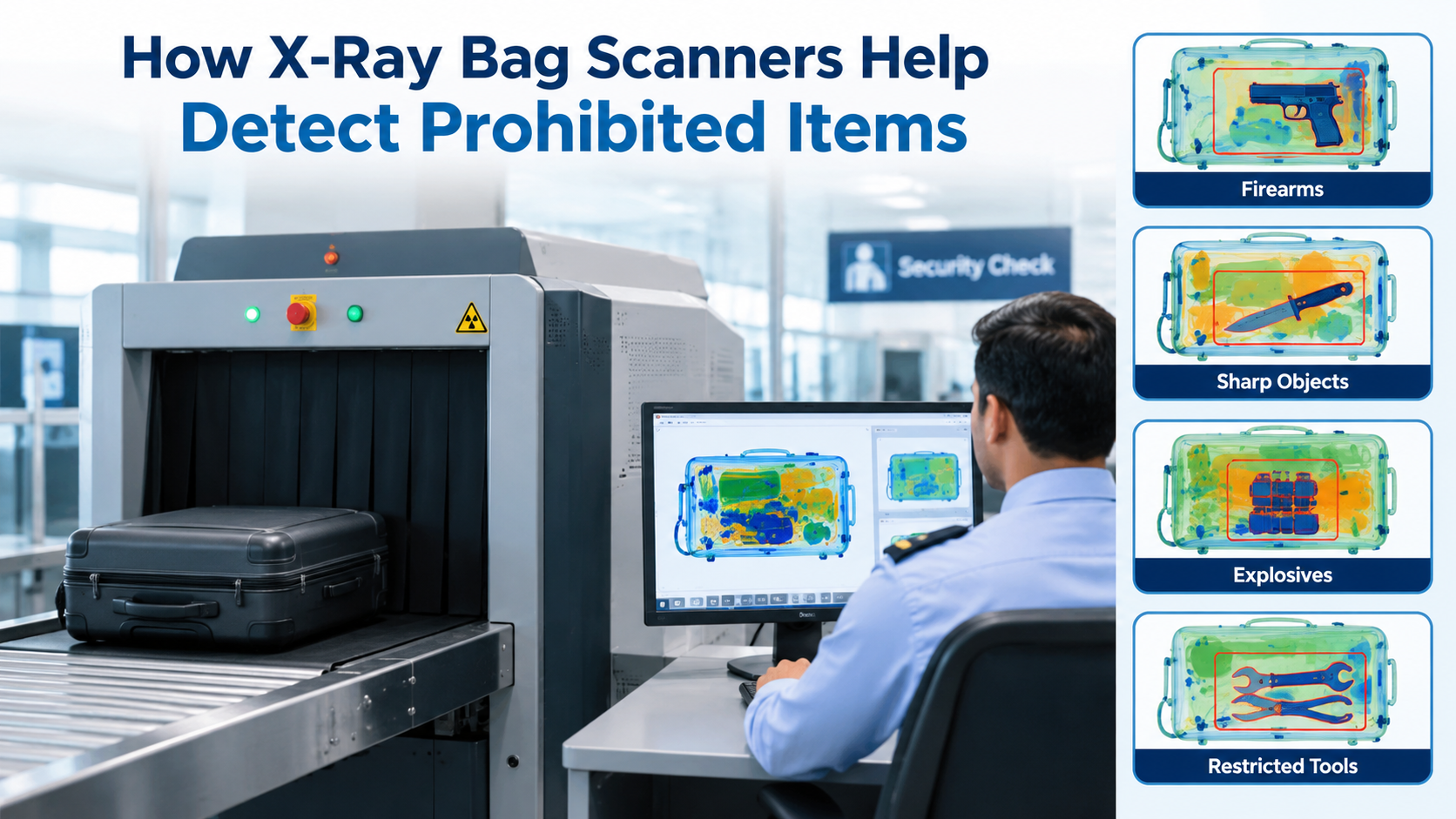
An integrated Entrance control solution can combine biometric verification with access control equipment to regulate entry into offices, factories, warehouses, and other facilities.
For example, an organisation may install fingerprint scanners at its main entrance and restrict access to specific areas based on employee permissions. Only registered and authorised users can enter designated locations.
Such systems can help businesses manage employee movement, improve access monitoring, and maintain better control over sensitive workplace areas.
However, access permissions should be configured carefully to ensure that employees can reach the locations required for their responsibilities.
Fingerprint Recognition vs Face Recognition Technology
Fingerprint and facial recognition are two widely used biometric identification methods. Both technologies help verify individual identity, but they work differently.
Fingerprint recognition uses the unique ridge patterns of a person's finger. Employees generally need to place their finger on the scanner to complete verification.
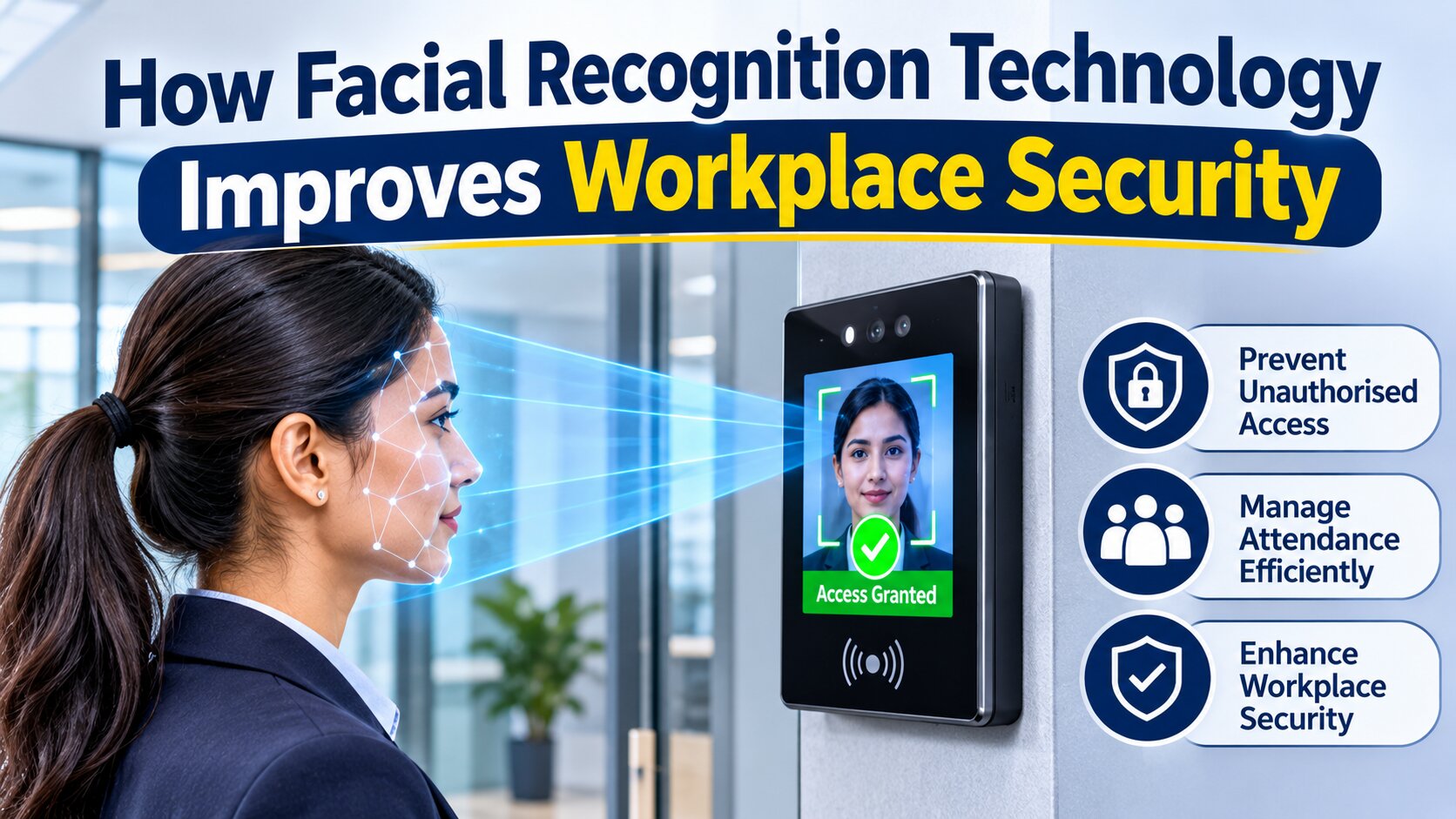
Facial recognition identifies individuals by analysing facial characteristics captured through a camera. Depending on the device, verification may take place without physical contact.
A face recognition biometric system can be useful in workplaces where touch-free attendance recording is preferred. It may also support attendance management in locations where employees frequently need quick verification.
The choice between fingerprint and facial recognition depends on factors such as workplace conditions, employee requirements, device capabilities, hygiene preferences, and budget.
Some organisations may benefit from using both technologies as part of a combined biometric attendance and security system.
Industries That Can Benefit from Biometric Attendance Systems
Fingerprint attendance devices are suitable for different types of organisations where accurate employee time tracking is important.
Corporate Offices: Businesses can monitor employee arrival and departure times, manage shifts, and maintain organised attendance records.
Educational Institutions: Schools, colleges, and training centres can use biometric systems to monitor staff attendance and improve administrative efficiency.
Manufacturing Units: Factories can track employee working hours across different shifts and maintain attendance records for large workforces.
Hospitals and Healthcare Facilities: Biometric attendance systems can help manage staff schedules and record attendance across different departments.
Retail Businesses: Retail stores can monitor staff punctuality, manage shift changes, and maintain attendance information across multiple locations.
Warehouses and Industrial Facilities: These organisations can combine attendance tracking with access permissions to manage employee entry into designated areas.
Factors to Consider Before Choosing a Fingerprint Attendance Device
Selecting the right biometric device requires understanding the organisation's daily operational requirements.
- Employee Capacity: Choose a device that supports the current workforce and expected future requirements.
- Recognition Speed: Fast verification helps reduce waiting times during busy entry and exit periods.
- Environmental Conditions: Consider whether the scanner will operate in dusty, humid, or industrial environments.
- Software Compatibility: Check whether the device works with existing HR and payroll software.
- Connectivity: Select suitable data transfer options according to the workplace network.
- Data Security: Look for appropriate security features to protect stored biometric templates and attendance information.
- Technical Support: Reliable installation, maintenance, and after-sales assistance are important for long-term operation.
Businesses should also review the manufacturer's specifications and confirm that the device meets their attendance and security requirements.
Future of Biometric Attendance Technology
Biometric attendance systems are becoming more advanced as organisations adopt digital workforce management solutions. Modern devices increasingly support multiple identification methods, cloud-based reporting, mobile connectivity, and integration with access control systems.
Artificial intelligence and improved recognition technologies are also contributing to faster and more convenient identity verification.
In the coming years, businesses may increasingly adopt integrated platforms that combine attendance monitoring, employee management, and workplace security within a single system.
However, successful implementation will continue to depend on selecting suitable devices, maintaining accurate employee records, protecting biometric information, and providing proper system management.
Conclusion
Biometric finger scanners have made employee attendance management more organised, accurate, and convenient. By automating identity verification and recording working hours, these devices help businesses reduce manual effort, discourage proxy attendance, and improve workforce accountability.
A suitable finger biometric attendance machine can support everyday HR operations, while integration with an Entrance control solution can strengthen workplace access management. Organisations can also consider a face recognition biometric system when contactless identification is an important requirement.
Choosing the right technology according to employee strength, workplace conditions, software compatibility, and security needs can help businesses build a more efficient attendance management system.
Frequently Asked Questions
1. What is a finger biometric attendance machine?
A finger biometric attendance machine is an electronic device that identifies employees through their unique fingerprint patterns and automatically records their attendance.
2. How does a fingerprint attendance system work?
The system captures an employee's fingerprint during registration and stores a digital template. During attendance, it compares the scanned fingerprint with the registered information to verify identity.
3. Can biometric attendance machines prevent proxy attendance?
Yes. Fingerprint verification makes proxy attendance more difficult because employees must use their own registered fingerprints to record their attendance.
4. What is the difference between fingerprint and face recognition attendance systems?
Fingerprint systems identify employees using fingerprint patterns, whereas facial recognition systems use facial characteristics captured through a camera. Both can automate attendance recording.
5. Can biometric attendance machines be connected to access control systems?
Yes. Compatible devices can integrate with door locks and access controllers to help organisations manage authorised entry into restricted workplace areas.